Commercial overhead doors are a critical part of many businesses, providing secure access to facilities while supporting daily operations. Whether you’re building a new warehouse, upgrading an automotive shop, or replacing aging doors at a manufacturing facility, selecting the right commercial overhead door involves more than simply choosing a size and style. The door you install can affect energy efficiency, security, workflow, and long-term maintenance costs.
Because commercial overhead doors experience heavier use than residential garage doors, businesses should carefully evaluate their options before investing. Understanding what to expect during the selection and installation process can help ensure you choose a system that delivers reliable performance for years to come.
Consider How the Door Will Be Used
One of the first factors to evaluate is how the overhead door will function within your business operations. Different facilities have different demands, and choosing a door designed for your specific environment is essential. A distribution center with constant truck traffic will have different requirements than a storage facility, fire station, or commercial garage.
The frequency of use should be a major consideration. Doors that open and close dozens or even hundreds of times each day require components built to withstand repeated operation. Selecting a door system designed for your workload can help reduce wear and minimize future repair costs. Understanding your operational needs from the start allows you to make a more informed decision and avoid investing in a door that may not be suitable for long-term use.
The Importance of Material Selection
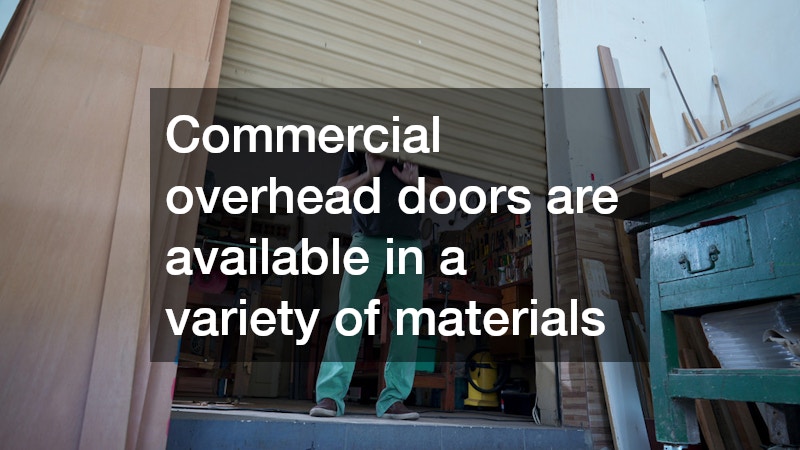
Commercial overhead doors are available in a variety of materials, each offering unique advantages. Steel remains one of the most popular options because of its durability, strength, and relatively low maintenance requirements. It performs well in many commercial environments and can withstand daily wear and tear.
Aluminum doors are another common choice, particularly for businesses seeking a lightweight option or a more modern appearance. In certain applications, specialty materials may be used to address specific environmental conditions or operational requirements. The right material depends on factors such as climate, building usage, security needs, and maintenance expectations.
Choosing a high-quality material can help extend the lifespan of the door while reducing the likelihood of costly repairs or premature replacement. Business owners should think beyond the initial purchase price and consider the long-term value each material provides.
Insulation Can Deliver Significant Benefits
Many business owners focus primarily on security and durability when selecting commercial overhead doors, but insulation can be equally important. An insulated door helps regulate indoor temperatures, making it easier to maintain a comfortable work environment throughout the year.
This is especially valuable in warehouses, service centers, and manufacturing facilities where temperature control plays a role in employee comfort and operational efficiency. Insulated doors can also help reduce energy consumption by minimizing heat transfer between indoor and outdoor spaces. In addition, insulation often provides sound-dampening benefits, reducing noise from nearby traffic, equipment, and weather conditions.
Although insulated doors may have a higher upfront cost, many businesses find that the long-term energy savings and improved indoor conditions make the investment worthwhile.
Security Should Be a Top Priority
Commercial facilities often contain valuable assets, equipment, inventory, and sensitive information. Because overhead doors frequently serve as primary entry points, security should be a major factor during the selection process.
Modern commercial overhead doors are available with advanced locking systems, reinforced construction, and access control technology designed to help prevent unauthorized entry. Businesses can also integrate overhead door systems with broader security measures, including surveillance cameras, alarms, and remote monitoring platforms.
A secure door system not only protects physical assets but can also provide peace of mind for business owners and employees. Investing in security features during installation can help reduce risks and strengthen overall facility protection.
Safety Features Matter
Commercial overhead doors are large, heavy systems that require proper operation to ensure workplace safety. Today’s doors include a variety of safety features designed to protect employees, customers, vehicles, and equipment.
Features such as photo-eye sensors, automatic reverse mechanisms, and advanced monitoring systems help prevent accidents and reduce the risk of injury. These technologies can detect obstacles in the door’s path and stop or reverse movement when necessary. Proper installation and regular inspections also play an important role in maintaining safe operation over time.
When evaluating commercial overhead door options, businesses should consider both the built-in safety features and the expertise of the installation team responsible for the project.
Professional Installation Makes a Difference
Even the highest-quality commercial overhead door can experience performance issues if it is installed incorrectly. Proper installation ensures that all components are aligned, balanced, and functioning as intended. It also helps maximize the lifespan of the system while reducing the likelihood of future repairs.
Experienced commercial door professionals understand how to address structural considerations, clearance requirements, and operational challenges that may arise during installation. They can also identify potential issues before they become costly problems.
Professional installation often helps protect manufacturer warranties as well. Many manufacturers require installation to be completed according to specific guidelines, making professional service a valuable investment for business owners seeking long-term reliability.
Think About Future Maintenance
Every commercial overhead door requires ongoing maintenance to remain in optimal condition. Before selecting a system, it is important to understand the maintenance requirements associated with different door types and operating environments.
Routine inspections, lubrication, and adjustments help keep doors functioning properly and can identify minor issues before they become major repairs. Businesses with high-cycle operations may benefit from heavy-duty components designed to reduce maintenance demands and improve durability.
Considering maintenance needs before installation can help business owners choose a system that aligns with their operational goals and budget. A well-maintained commercial overhead door often provides many years of dependable service while minimizing disruptions to daily operations.
Installing new commercial overhead doors is a significant investment that affects the security, efficiency, and functionality of your facility. By considering factors such as intended use, material selection, insulation, safety features, security requirements, and professional installation, businesses can make informed decisions that deliver long-term value. Choosing the right commercial overhead door system today can help improve operations, reduce maintenance costs, and support the continued success of your business for years to come.